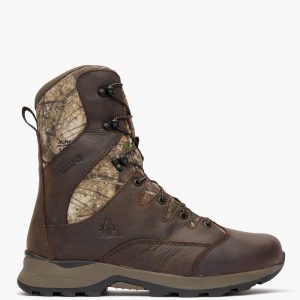
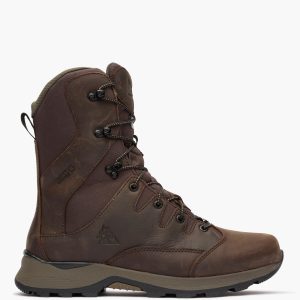
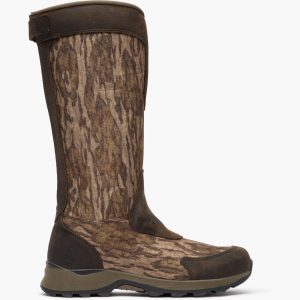
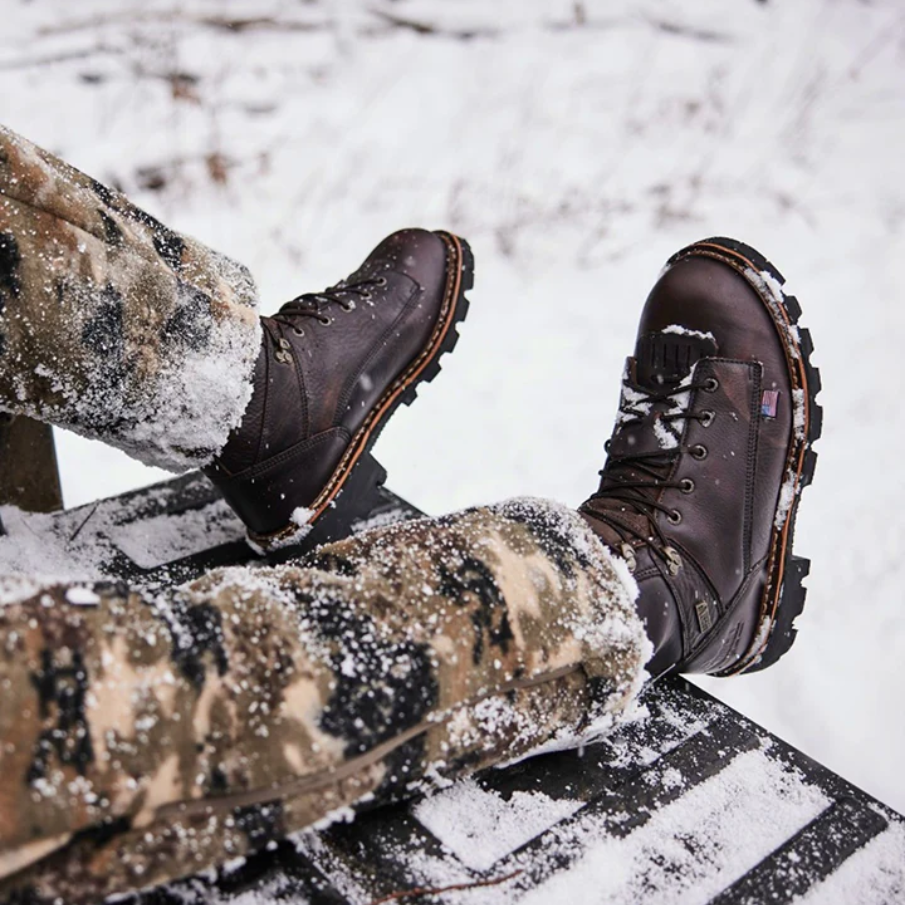
When it comes to venturing outdoors, whether it’s a casual walk through a wooded trail, a day-long hike up a rolling mountain, or simply running errands on a rainy afternoon, the right pair of footwear can make all the difference. Many men overlook the importance of selecting shoes that blend functionality, comfort, and durability, often settling for options that either fail to withstand the elements or leave their feet sore after a few hours. But with the right knowledge, finding that perfect pair—one that can transition seamlessly from outdoor adventures to everyday casual wear—becomes a straightforward process.
First, let’s talk about the key feature that sets high-quality outdoor footwear apart: weather resistance. For anyone who spends time outside, unexpected rain, damp grass, or muddy paths are inevitable. A shoe that can repel water not only keeps feet dry but also prevents the growth of bacteria and odors that come with dampness. The best water-resistant options use a combination of materials, such as a treated upper fabric that repels moisture and a sealed seam construction to keep water from seeping through the tiny gaps where different parts of the shoe are stitched together. Additionally, a waterproof membrane—often lightweight and breathable—can be integrated into the shoe’s design. This membrane acts as a barrier against water while still allowing air to circulate, ensuring that feet don’t overheat or become sweaty, even during long periods of wear.
Comfort is another non-negotiable factor. No matter how durable or weather-resistant a shoe is, if it’s uncomfortable, it will end up sitting in the back of the closet. The foundation of comfort starts with the insole. A good insole should provide adequate cushioning to absorb the impact of each step, whether you’re walking on concrete sidewalks or rocky trails. Memory foam insoles are a popular choice here, as they conform to the shape of your foot over time, offering personalized support. Arch support is also crucial, especially for men who have high arches or flat feet. Shoes with built-in arch support help distribute weight evenly across the foot, reducing strain on the heels, ankles, and knees. This is particularly important for longer hikes or walks, where poor support can lead to fatigue or even injury.
The midsole, which sits between the insole and the outsole, plays a significant role in both comfort and stability. A midsole made from a durable, shock-absorbing material—such as EVA foam or polyurethane—can soften the impact of each step, making even rough terrain feel more manageable. Some midsole designs also include additional support features, like a reinforced heel counter or a stability shank (a thin, rigid piece of material that runs along the length of the midsole). These features help keep the foot in place, preventing excessive movement that can cause blisters or discomfort, especially when navigating uneven surfaces like loose gravel or tree roots.
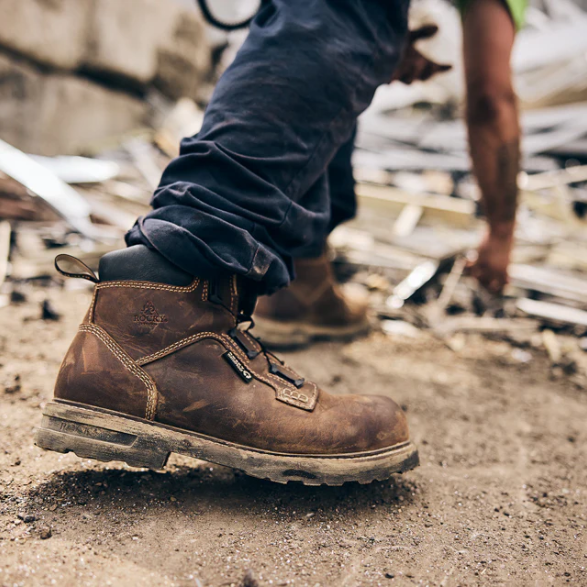
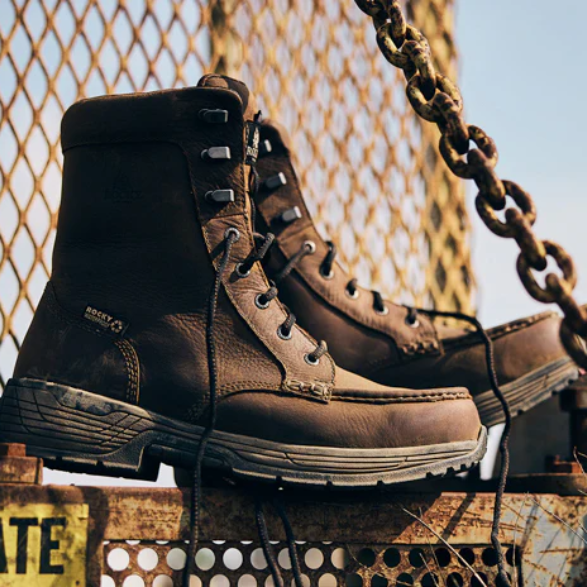
Next, let’s consider durability. Outdoor footwear needs to withstand a lot: constant friction from walking, exposure to dirt, rocks, and debris, and the wear and tear of regular use. The outsole, the part of the shoe that comes into direct contact with the ground, is where durability starts. A high-quality outsole should be made from a tough, rubber-like material that resists abrasion. Look for outsoles with a deep, aggressive tread pattern as well. The tread not only provides traction on slippery surfaces—like wet rocks or muddy trails—but also helps the outsole last longer by distributing wear evenly across the surface. For example, a tread with large, spaced-out lugs (the raised patterns on the outsole) is ideal for muddy conditions, as it can easily shed mud and maintain grip. On the other hand, a more compact tread pattern works well for both outdoor trails and city sidewalks, offering versatility for everyday use.
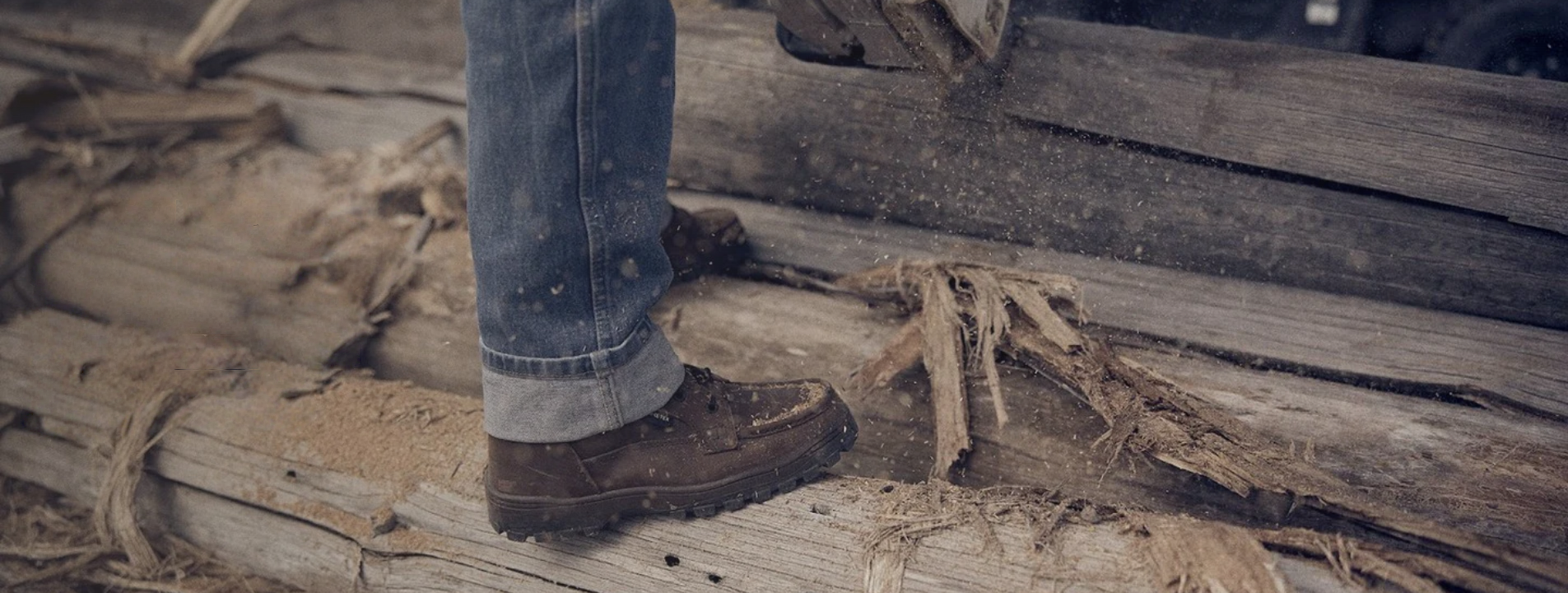
The upper part of the shoe is also a key component of durability. Materials like full-grain leather or synthetic fabrics (such as polyester or nylon blends) are popular choices. Full-grain leather is known for its strength and ability to age well; over time, it develops a unique patina that adds character, and it becomes more flexible with each wear. However, it can be heavier than synthetic options. Synthetic fabrics, on the other hand, are often lighter, more breathable, and quicker to dry than leather. Many high-quality synthetic uppers are also treated with water-resistant coatings, making them a great choice for men who prioritize lightweight comfort without sacrificing weather protection. Additionally, reinforced toe caps—either made from rubber or a durable synthetic material—can prevent the front of the shoe from getting scuffed or damaged when kicking rocks or walking through dense underbrush.
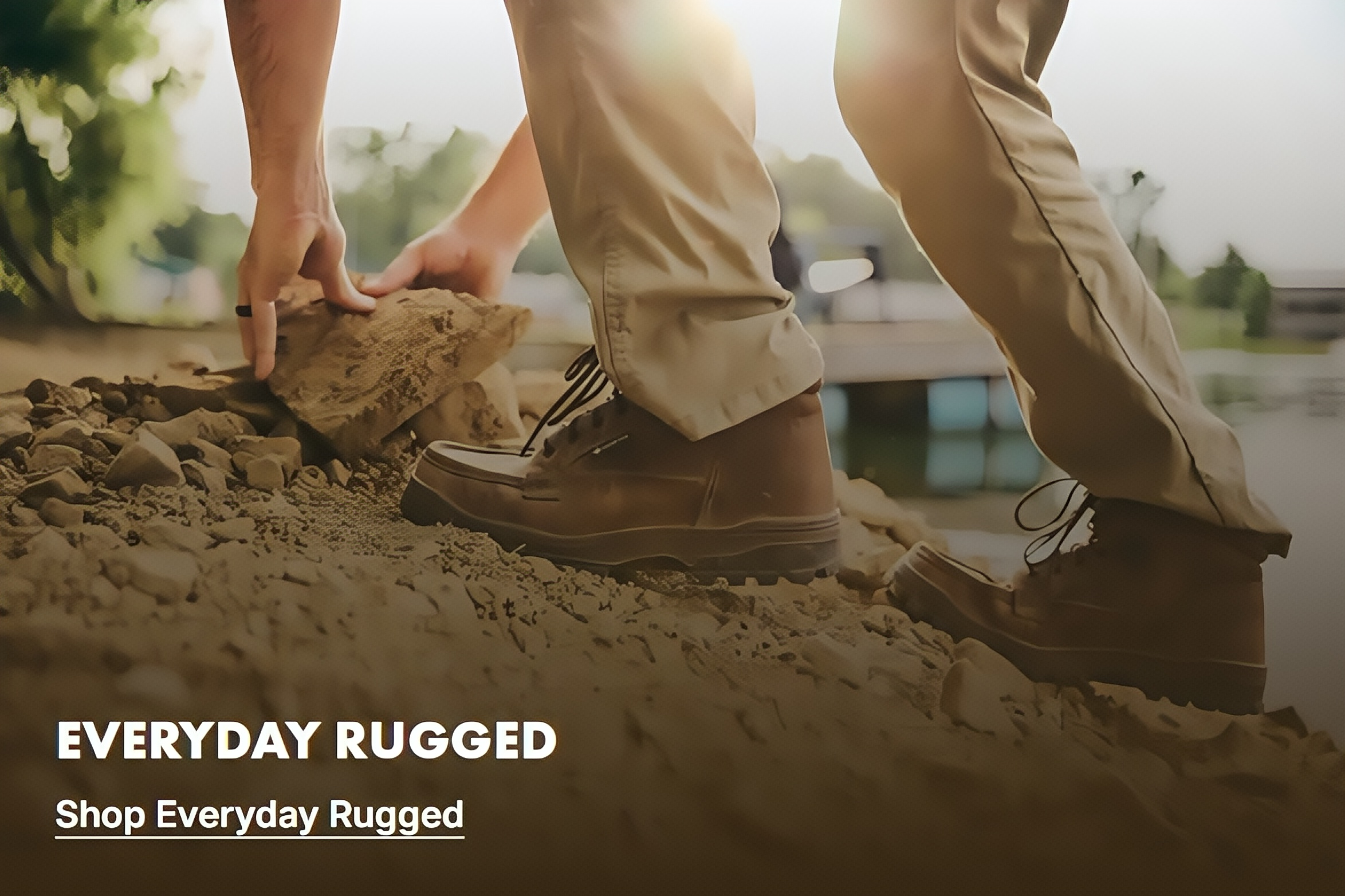
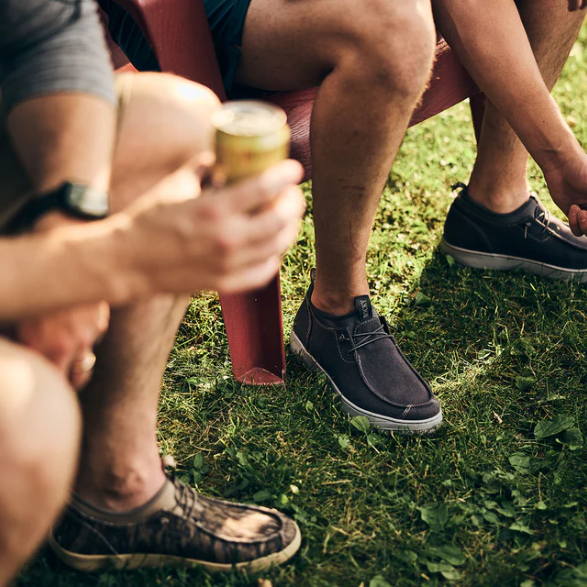
Versatility is another factor that shouldn’t be overlooked. Many men don’t want to own multiple pairs of shoes for different occasions, so finding a pair that can work for both outdoor adventures and casual everyday wear is a huge plus. A shoe that has a sleek, understated design—without overly bulky features or bright colors—can easily transition from a hike in the park to a coffee date or a trip to the grocery store. For example, a shoe with a clean upper, minimal branding, and a neutral color (like black, brown, or gray) can be paired with jeans, chinos, or even shorts, depending on the season.
Fit is perhaps the most important aspect of choosing any footwear, and outdoor shoes are no exception. A shoe that’s too tight can cause blisters, corns, or even bunions, while a shoe that’s too loose can lead to instability and discomfort. When trying on outdoor shoes, it’s best to wear the socks you plan to wear with them—usually thicker, moisture-wicking socks that are designed for outdoor activities. This ensures that you get an accurate fit. It’s also a good idea to try on shoes later in the day, as feet tend to swell slightly throughout the day, which can affect the fit. When testing the fit, make sure there’s about a thumb’s width of space between the end of your longest toe and the front of the shoe. This prevents your toes from being crushed when walking downhill or stepping on uneven surfaces. Additionally, check that the heel doesn’t slip when you walk—if it does, the shoe is likely too loose, and you may need to size down or try a different style with a more secure heel counter.
Now, let’s discuss how to care for your outdoor footwear to ensure it lasts as long as possible. Proper maintenance not only extends the life of your shoes but also helps them maintain their functionality—like water resistance and traction. For water-resistant shoes, it’s important to reapply a water-repellent coating every few months, especially if you use them frequently in wet conditions. Most water-repellent sprays are easy to use: simply clean the shoes first, let them dry completely, then spray the coating evenly over the upper surface. For leather shoes, using a leather conditioner can help keep the material soft and prevent it from cracking. It’s also important to clean your shoes regularly, especially after a hike or walk in muddy or dirty conditions. Use a soft brush to remove dirt and debris from the outsole and upper, and if necessary, wipe the upper with a damp cloth and a mild soap. Avoid putting shoes in the washing machine or dryer, as this can damage the materials and reduce their durability. Instead, let them air dry naturally, away from direct sunlight or heat sources (like heaters or fireplaces), which can cause the materials to shrink or warp.
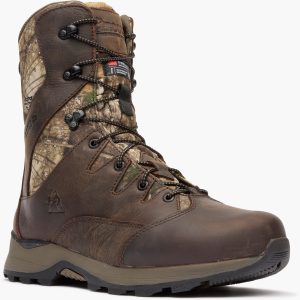
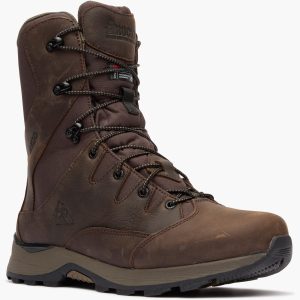
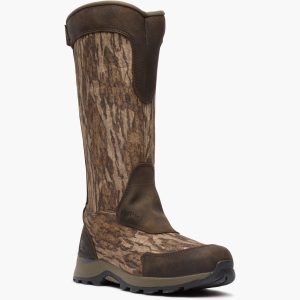
When it comes to choosing the right pair for specific activities, there are a few things to keep in mind. For casual walks or light hikes on well-groomed trails, a lightweight, low-cut shoe is usually sufficient. These shoes are more flexible and breathable than heavier hiking boots, making them comfortable for all-day wear. They also tend to be more affordable and easier to store. For more challenging hikes—like those with steep inclines, rocky terrain, or longer distances—a mid-cut or high-cut shoe may be a better option. Mid-cut shoes provide additional support around the ankle, which helps prevent sprains and instability on rough terrain. High-cut shoes offer even more ankle support, making them ideal for backpacking trips or hikes in areas with lots of loose rocks or uneven ground. However, they can be heavier and less breathable than low-cut options, so they may not be the best choice for casual everyday wear.
Another consideration is the climate in which you’ll be using the shoes. If you live in a rainy or wet climate, prioritizing water resistance is a must. Look for shoes with a waterproof membrane and sealed seams to keep feet dry. If you live in a warmer climate, breathability becomes more important. Shoes with mesh panels in the upper can help increase airflow, keeping feet cool and dry even in hot weather. For colder climates, insulated shoes may be necessary. Insulated shoes typically have a layer of synthetic insulation (like Thinsulate) that traps heat, keeping feet warm in temperatures below freezing. However, insulated shoes can be bulkier and less breathable, so they’re best suited for cold-weather activities rather than everyday wear.
Let’s also talk about the benefits of investing in a high-quality pair of outdoor footwear. While it may be tempting to opt for a cheaper pair, low-quality shoes often wear out quickly, requiring you to replace them more frequently. Over time, this can end up costing more than investing in a single pair of high-quality shoes that last for years. High-quality shoes also offer better support and comfort, which can prevent foot pain and injuries. For example, a shoe with good arch support can reduce the risk of plantar fasciitis—a common condition that causes pain in the heel and bottom of the foot—especially for men who spend a lot of time on their feet. Additionally, high-quality outdoor shoes are designed to withstand the elements, so they’re less likely to fail you in unexpected weather conditions. Imagine being caught in a sudden rainstorm while hiking—with a water-resistant pair of shoes, you can continue your hike without worrying about wet, uncomfortable feet. With a low-quality pair, you’d likely end up with soaked feet and a ruined hike.
When shopping for outdoor footwear, it’s also a good idea to read reviews from other customers. Reviews can provide valuable insights into the fit, comfort, durability, and performance of a shoe. Look for reviews from men who have used the shoes for similar activities—for example, if you’re looking for a shoe for light hikes, read reviews from other hikers who have used the shoe on well-groomed trails. Pay attention to common complaints, such as shoes that run too small, lack support, or lose their water resistance quickly. This can help you avoid making a purchase that you’ll regret later.
Finally, let’s consider style. While functionality should be the top priority when choosing outdoor footwear, there’s no reason you can’t have a shoe that looks good too. Many brands offer outdoor shoes in a variety of styles and colors, so you can find a pair that matches your personal taste. Neutral colors like black, brown, and gray are versatile and can be paired with a wide range of outfits, while bolder colors like blue or green can add a pop of color to your look. Whether you prefer a sleek, modern design or a more classic, traditional look, there’s an outdoor shoe out there that will meet your needs.
In conclusion, choosing the right pair of outdoor footwear for men requires careful consideration of several factors, including weather resistance, comfort, durability, versatility, fit, and style. By taking the time to evaluate your needs and priorities—whether you’re looking for a shoe for casual walks, light hikes, or more challenging outdoor adventures—you can find a pair that will keep your feet comfortable, dry, and supported for years to come. Remember to care for your shoes properly to extend their lifespan, and don’t be afraid to invest in a high-quality pair—your feet will thank you. With the right outdoor footwear, you’ll be ready to take on any adventure, from a simple walk in the park to a challenging hike up a mountain, and everything in between.